The First Move Is a Welcome: Making a Game Easy to Enter
Make an unfamiliar game easier to join with a visible opening move, a brief demonstration, and a clear invitation that lets newcomers start without guessing.
The most common mistake when someone joins an unfamiliar game is to explain every rule before anyone moves. That can leave a newcomer listening for the moment they are allowed to act, while the group’s play carries on without them. A visible first move gives them something concrete to copy and makes the invitation to join easier to accept.
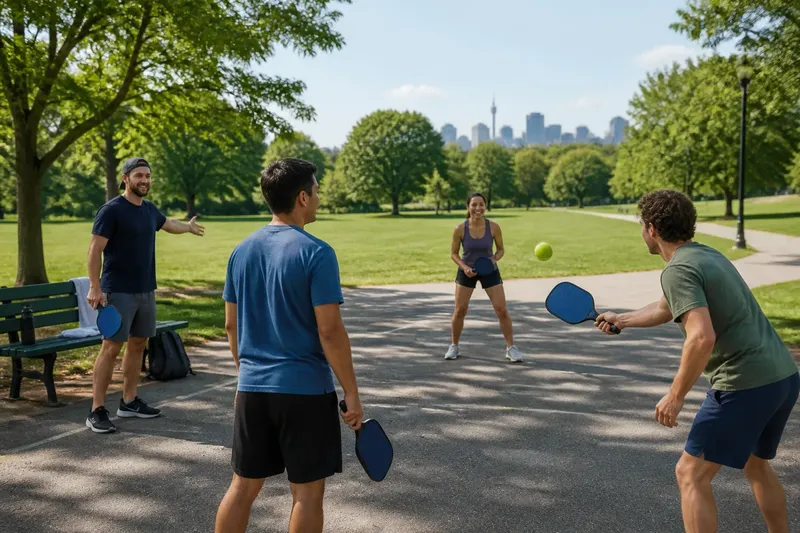
Say a few friends are playing a casual game of paddle ball in a park when a neighbor arrives and asks to join. The group has a ball and paddles, but the newcomer has never played this version. This invented situation offers a useful way to see how a small change in the opening can turn a long explanation into a playable welcome.
Begin with an open place
The neighbor should not have to guess where to stand, which equipment to take, or whether the current round can be interrupted. One player can pause, move a spare paddle into reach, and point to an open spot beside the play area. Then they can say, “Want to try the next exchange? Stand here, and I’ll send the first ball gently.”
That invitation is specific. It names the next action and gives the newcomer an easy way to accept or decline. “You can jump in” sounds friendly, but it leaves the person to work out how. A place to stand and a clear first role remove that uncertainty without making a fuss.
Keep the equipment within reach, but do not put it into the newcomer’s hands without asking. If they accept, hand over the paddle and briefly show how to hold it for this game. The aim is not to teach every possible grip or technique. It is to make the first action feel understandable and voluntary.
Show one playable exchange
The group can now demonstrate the smallest useful piece of the game: one person sends the ball, the other taps it back, and play continues until it drops. The demonstration should be short enough to watch at a glance. Explain only what the newcomer needs to make that first exchange, such as “Let the ball bounce once, then tap it back.”
Use a comfortable pace and send the ball toward the new player rather than making them chase an awkward shot. This is not special treatment that changes the game’s purpose. It is a practical way to show the basic action clearly. Once the newcomer has seen the movement and the ball’s path, they can decide whether they want to try it.
Demonstrate the action at the same distance and with the same equipment the newcomer will use. A dramatic shot from across the park may entertain the group, but it does not show a beginner what to do next. Make the example ordinary: a manageable serve, a return, and a natural pause.
Let the newcomer act
After the demonstration, give the paddle to the newcomer and send an easy ball. Then wait. Avoid talking through every movement while they are trying to respond; several instructions at once can make a simple action harder to follow. If the ball goes astray, retrieve it calmly and offer another turn without treating the miss as a problem to solve in public.
In this invented park scene, the neighbor swings too early and misses. A player says, “It bounced first—want another?” and sends a slower ball. The neighbor returns it on the next exchange. The observable result is modest but useful: the newcomer has completed the central action and can choose to continue, ask a question, or pass the paddle on.
Notice what the group does after that first success. If the regular players immediately speed up or shift into an advanced pattern, the newcomer may be left outside the game again. Keep the next exchange close to the one they just learned, then invite them to take another turn. Let their interest guide whether the group adds more complexity.
Adjust without taking over
A welcome should make the game accessible, not turn the newcomer into a permanent student. Ask a simple question such as, “Would you like another easy serve, or should I send it like the others?” That gives them a real choice and signals that the group can adapt the opening without changing every part of play.
If the newcomer wants more guidance, add one piece at a time. For example, show where to aim the paddle or explain how players take turns serving. If they seem comfortable, stop narrating and play normally. Match the amount of instruction to what they ask for and what their actions suggest, rather than assuming they need a full lesson.
It is not worth pausing the whole group to deliver a speech about every rule before the first exchange. Save rules that do not affect the immediate action for the moment they become relevant. One exception may be a rule that changes whether the demonstration is safe or fair to attempt; explain that before anyone starts. The game’s equipment instructions and any local requirements should guide matters that depend on them.
Questions at the first turn?
How long should a game demonstration take?
Show one ordinary exchange, then let the newcomer try. Add explanation only when it helps them perform the next action or when they ask for it.
What if the newcomer declines to play?
Accept the answer without pressing them, and leave the invitation open. They may prefer to watch first or join later, and neither choice needs to be justified.
Should the group change its usual rules?
For a first attempt, simplify only what blocks the newcomer from trying the central action. Explain any temporary adjustment plainly, and let the group decide together how to continue afterward.
What if nobody knows how to teach the game?
Use the simplest shared action the players already understand and demonstrate that. If the group cannot agree on what to show, pause and clarify the basic play before inviting someone else in.
Carry the welcome forward
In the park, the neighbor’s entry works because the group provides a place, a visible opening action, and a low-pressure first try. The same approach can help with a lawn game, a casual throwing game, or a simple racket activity: name the next action, show it at a manageable pace, then give the new player room to respond.
When someone joins an unfamiliar game, treat the first move as part of the invitation. A paddle within reach and a ball sent at an easy pace can say more than a long rule recital. Once the newcomer has made that first move, ask what they want next and let their answer shape the play.